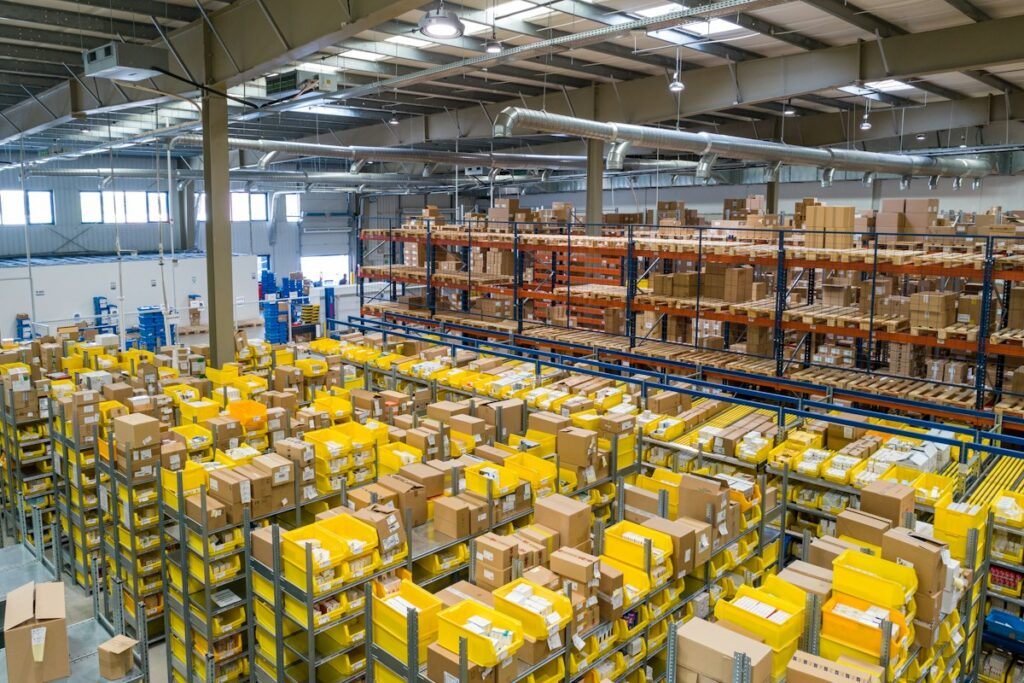
Commercial cold storage warehouses, refrigerated distribution hubs, food processing plants, pharmaceutical cold chains, and cross-dock logistics centers across Phoenix, Tolleson, Goodyear, Glendale, and Mesa operate high-tonnage thermal refrigeration systems where temperatures range from +36°F produce coolers down to -20°F deep-freeze vaults. In the Sonoran Desert—where exterior ambient summer temperatures surpass 115°F and metal roof decks exceed 160°F—the extreme 130-degree thermal differential between outdoor heat and indoor freezing creates intense thermodynamic vapor drive. When an industrial water catastrophe occurs—whether triggered by an anhydrous ammonia ((text{NH}_3)) refrigeration loop valve burst, an evaporator defrost drain pan freeze-up, a sub-floor frost heave under-slab heating glycol grid rupture, or an overhead ESFR fire sprinkler head discharge—the incident threatens the physical facility, multi-million-dollar food inventories, and federal food safety certifications. Phoenix Damage Pros delivers heavy industrial cold storage water damage restoration, sub-zero desiccant structural de-icing, and insulated metal panel (IMP) drying engineered to safeguard cold chain integrity and satisfy USDA and FDA compliance across Maricopa County.
Operating under Arizona Commercial Contracting License AZ ROC #342819 and deploying certified industrial drying engineers and Hazmat-trained technicians, our heavy cold storage emergency response team mobilizes within 45 minutes anywhere in the Greater Phoenix industrial corridor. From the West Valley logistics clusters along the I-10 and Loop 303 corridors to East Valley food processing hubs in Chandler and Gilbert, we coordinate directly with warehouse operations directors, environmental health and safety (EHS) managers, refrigeration contractors, and commercial insurance adjusters. We deploy high-capacity trailer-mounted industrial desiccant dehumidifiers capable of operating efficiently at sub-zero temperatures, mobile thermal imaging diagnostics, and zero-residue food-safe sanitizers to eliminate ice formations and extract moisture without thawing sensitive inventory or disrupting national cold chains.
24/7 Cold Storage & Refrigerated Facility Command: If an active refrigeration coil flood, ammonia leak, or roof collapse is impacting frozen food inventory, insulated panel walls, or loading dock staging bays, call Phoenix Damage Pros immediately at (602) 587-1380. Our industrial emergency teams arrive in 45 minutes with heavy desiccant trailers and sub-zero extraction fleets.
1. Severe Thermodynamics & Hydraulic Failure Modes in Desert Cold Storage
Operating a refrigerated distribution center in the Sonoran Desert is an ongoing thermodynamic battle. High humidity and super-heated outdoor air exert massive vapor pressure against exterior warehouse walls, seeking any mechanical penetration, dock door seal failure, or roof breach to migrate toward sub-zero interior air, resulting in severe failure modes.
A. Evaporator Coil Defrost Drain Line Freeze-Ups & Overhead Ice Dams
Refrigerated warehouse ceilings house banks of high-velocity industrial evaporator blowers that circulate chilled air through high-bay pallet racking. During scheduled defrost cycles, electric heaters or hot-gas reverse cycles melt accumulated frost off cooling coils into collection pans:
- Defrost Heater Failure & Drain Freezing: If electrical resistance heat tape on PVC or copper drain lines burns out or electrical circuits trip, melt-water freezes instantly inside the drain pipe. Subsequent defrost cycles overflow the evaporator pans, dropping thousands of gallons of water across 30-foot to 50-foot pallet rack bays.
- Massive Overhead Ice Damming & Falling Ice Hazards: Overflowing water cascades through racking tiers, freezing into multi-ton ice stalactites and floor sheets. Expanding ice shears structural steel racking anchors, crushes corrugated food packaging, and creates severe falling ice hazards that force the immediate closure of active forklift travel aisles.
B. Anhydrous Ammonia ((text{NH}_3)) Refrigeration Loop Ruptures & Acidic Deluges
Large industrial cold storage complexes utilize centralized anhydrous ammonia refrigeration networks operating under head pressures ranging from 150 to 250 PSI. Ammonia is an exceptionally efficient refrigerant but presents extreme physical and biological hazards:
- Thermal Shock & Vibration Stress Fractures: High-spin industrial screw compressors and rapid hot-gas defrost cycles subject flanged piping joints, solenoid valves, and expansion headers to severe thermal shock. A hairline fracture in a 4-inch ammonia suction or liquid line releases toxic anhydrous ammonia gas that rapidly dissolves into nearby condensate water.
- Corrosive Caustic Floodwater: When ammonia gas dissolves in water, it forms ammonium hydroxide ((text{NH}_4text{OH}))—a caustic alkaline solution with a pH exceeding 11.5. This caustic runoff strips galvanization from pallet racks, dissolves electrical conduit coatings, and ruins millions of dollars in stored meat, dairy, and produce through chemical vapor absorption.
C. Insulated Metal Sandwich Panel (IMP) Joint Separation & Core Delamination
Refrigerated warehouse envelopes are constructed of Insulated Metal Panels (IMPs) featuring prepainted steel facings bonded to polyisocyanurate (PIR) or expanded polystyrene (EPS) foam cores. The integrity of a cold storage facility depends entirely on the airtightness of tongue-and-groove panel joint seals:
- Vapor Drive Delamination: High exterior vapor pressure forces moisture through microscopic silicone joint separations. When warm humid desert air penetrates the cold interior panel core, moisture condenses and freezes inside the foam insulation.
- The Ice Wedge Effect: Freezing moisture expands by 9% in volume, physically shearing the steel skins away from the insulated foam core. Over successive freeze-thaw cycles, panels blister, lose thermal insulation value (R-value), and collapse structurally, resulting in massive refrigeration load spikes and permanent wall destruction.
D. Sub-Floor Slab Frost Heave & Glycol Under-Floor Heating Failures
Because sub-zero freezers maintain floors at -10°F to -20°F, freezing temperatures slowly migrate downward into the soil beneath the warehouse slab. To prevent sub-slab soil moisture from freezing and expanding, facilities install underground glycol hydronic heating loops or electric heating grids beneath floor insulation:
- Under-Slab Glycol Heating Line Leaks: Continuous thermal expansion or seismic settling causes underground polyethylene or PEX glycol heating loops to crack. Pressurized glycol solution floods sub-slab crushed rock layers, neutralizing the heating grid.
- Catastrophic Frost Heaving: Without active under-floor heating, sub-slab soil moisture freezes into subterranean ice lenses. Expanding ice forces concrete slabs upward by several inches, cracking 8-inch reinforced concrete floors, tilting high-bay pallet racking racks, and jamming automated guided vehicle (AGV) laser guidance systems.
E. Early Suppression Fast Response (ESFR) Sprinkler Deluges in Cold Storage
High-ceiling refrigerated warehouses utilize dry-pipe or pre-action Early Suppression Fast Response (ESFR) fire sprinkler grids pressurized with compressed air or nitrogen. Forklift mast collisions in narrow aisles or frozen condensate accumulation inside dry pipe valves can trip the system, discharging 500 to 1,500 gallons per minute of pressurized water. In a -10°F freezer, this massive deluge freezes within minutes, encasing pallet racking, electrical conveyors, and inventory in solid ice sheets.
F. Loading Dock Vestibule Rapid Condensation & Moisture Intrusion
Refrigerated cross-dock facilities operate dozens of exterior loading bay doors where semi-truck trailers dock around the clock. Damaged compression dock seals or unconditioned truck staging vestibules allow humid outdoor desert air to rush into 36°F staging docks. Moisture condenses instantly on polished concrete floors, creating slick, ice-glazed slip-and-fall hazards for forklift operators and rotting corrugated shipping cartons.
G. High-Speed Freezer Roll-Up Door Gasket Icing & Thermal Seal Failure
Between conditioned loading docks and sub-zero holding freezers, automated high-speed fabric or insulated roll-up doors operate hundreds of times per shift. These doors incorporate heated side-guide columns, pneumatic bottom edge safety sensors, and optical photo-eyes designed to maintain rapid opening and airtight closure. When ceiling condensation or defrost runoff drips onto door guide tracks, water freezes instantly into thick ice ridges. Heated column elements fail under continuous moisture loads, jamming door panels in partially open positions. Warm, moisture-saturated air from loading docks cascades unimpeded into the -10°F freezer, forming massive frost blankets across high-bay racking and blinding barcode scanning cameras on automated storage and retrieval systems (ASRS). Phoenix Damage Pros deploys targeted heated desiccant air jackets to de-ice roll-up door guide columns and restores automated thermal seal integrity rapidly.
2. Cold Chain Integrity, USDA/FDA Mandates & Multimillion-Dollar Inventory Stakes
In cold chain logistics, water damage is never just a structural drying problem—it is a food safety catastrophe. Stored foodstuffs are governed by unforgiving regulatory mandates enforced by the United States Department of Agriculture (USDA) and the Food and Drug Administration (FDA).
A. Food Safety Modernization Act (FSMA) & Title 21 CFR Part 117 Compliance
The FDA Food Safety Modernization Act (FSMA) and Current Good Manufacturing Practice (cGMP) regulations enforce strict standards regarding biological and chemical food adulteration:
- Condensation Drip Contamination: Under 21 CFR 117.20, facilities must be designed and maintained to prevent condensate drip from ceiling trusses, refrigeration pipes, and evaporator blowers directly onto food products, raw ingredients, or food packaging. Condensate water in a cold storage facility carries environmental bacteria, including Listeria monocytogenes and Salmonella. The moment wastewater drips onto palletized packaging, the entire production run is deemed legally adulterated and must be condemned under federal law.
- USDA Food Safety and Inspection Service (FSIS) Hold Orders: In USDA-inspected meat and poultry processing plants, USDA inspectors will immediately issue a formal Retain/Reject tag on affected inventory and shut down processing lines if standing water, ceiling condensation, or ammonia vapors are detected. Phoenix Damage Pros compiles certified biological clearance logs and ATP swab results to satisfy federal inspectors.
B. Catastrophic Perishable Inventory Loss & Ammonia Adulteration
Commercial cold storage distribution centers house immense concentrations of capital. A single 100,000-square-foot refrigerated facility routinely stores between $10,000,000 and $50,000,000 in frozen beef, poultry, fresh berries, seafood, and high-value biologic pharmaceuticals:
- Chemical Ammonia Contamination: Anhydrous ammonia gas possesses a powerful affinity for moisture. Food products with high water content (such as fresh meats, produce, and baked goods) rapidly absorb ammonia vapor, turning tissues brown, imparting foul chemical odors, and generating toxic ammonium compounds. Even product stored in impermeable corrugated cartons is ruined if ammonia penetrates pallet wrap.
- The Critical Thermal Re-Thaw Threshold: If refrigeration must be de-energized during flooding, temperatures begin to rise. Once frozen meat or poultry exceeds 0°F or cooler produce surpasses 41°F, product degradation begins. Phoenix Damage Pros prioritizes non-invasive sub-zero desiccant drying that operates while refrigeration remains energized, saving inventory from thawing.
C. Supply Chain Liquidated Damages & Logistics SLA Penalties
Cold storage 3PL operators operate under strict Service Level Agreements (SLAs) with national grocery chains, big-box retailers, and restaurant distributors. An unmitigated water loss that shuts down shipping docks or delays cross-dock transfers triggers punitive delivery delay penalties reaching tens of thousands of dollars per day, client contract terminations, and massive brand reputational collapse. Rapid commercial extraction and drying are vital to maintain continuous product fulfillment.
3. Sub-Zero Engineering: In-Place Drying for Freezers, Coolers & Insulated Panels
Remediating water and ice damage inside an active sub-zero freezer requires specialized thermodynamic engineering. Standard commercial dehumidifiers freeze into solid blocks of ice at temperatures below 55°F. Phoenix Damage Pros deploys Arizona’s most advanced fleet of industrial sub-zero desiccant drying equipment.
A. Industrial Trailer-Mounted Desiccant Dehumidification in Sub-Zero Air
Industrial desiccant dehumidifiers operate on chemical adsorption rather than condensation. By utilizing rotating silica gel desiccant wheels, these heavy trailer-mounted systems operate efficiently at temperatures down to -20°F without freezing:
- Ultra-Low Moisture Vapor Pressure (< 5 GPP): Our trailer-mounted desiccant systems supply continuous streams of ultra-dry process air with grains per pound (GPP) below 5 and dew points below -40°F. Staged outside warehouse loading docks, desiccant air is ducted through dock openings directly into frozen storage bays.
- Ice Sublimation Technology (Drying Without Melting): Because our process air possesses a vapor pressure far lower than the vapor pressure of ice, surface ice and frost deposits sublimate directly from a solid state into water vapor without ever melting into liquid water. This allows technicians to remove ice from pallet racks and inventory cartons without wetting food packaging or thawing frozen goods.
B. Insulated Metal Panel (IMP) Wall Cavity Moisture Extraction
Rather than demolishing multi-thousand-dollar insulated sandwich wall panels, Phoenix Damage Pros utilizes precision non-destructive cavity drying technologies:
- Infrared Thermal Mapping of Moisture Pockets: Deploying FLIR® high-resolution infrared thermal imaging cameras, technicians map the exact internal thermal boundaries of wet and frozen insulation cores inside metal panels.
- Precision Micro-Port Dry Air Injection: Technicians drill discreet 1/4-inch access ports along panel joints and inject low-pressure, super-dry desiccant air directly into saturated foam insulation cores.
- Negative-Pressure Vapor Evacuation: High-vacuum extraction manifolds pull trapped moisture vapor out of the panel core from opposing ports, restoring original thermal R-values and structural skin bonding without tearing down cold storage walls.
C. Sub-Slab Frost Heave Glycol Loop De-Moisturization
When underground glycol heating loops crack or sub-slab crushed rock fills with water, Phoenix Damage Pros coordinates with refrigeration engineers to dewater and dry the subterranean sub-slab matrix. We deploy high-vacuum extraction probes into slab inspection ports and circulate heated desiccant air through under-slab conduits, drying the sub-base and preventing soil moisture from freezing into destructive frost heave ice lenses.
D. Concrete Sub-Slab Internal Moisture Auditing (ASTM F2170)
Freezer floor slabs are heavily reinforced concrete (typically 8 to 12 inches thick) resting on load-bearing rigid insulation boards. When water breaches perimeter expansion joints, trapped moisture damages concrete matrices and degrades floor insulation. We deploy in-situ ASTM F2170 relative humidity probes inserted into core-drilled slab sleeves, continuously monitoring internal moisture until concrete equilibrium relative humidity falls below 75% RH, ensuring structural stability under heavy forklift loads.
E. Continuous Multi-Point Wireless Psychrometric & Sublimation Auditing
Drying an active commercial cold storage warehouse without melting product requires continuous psychrometric monitoring. Phoenix Damage Pros deploys networks of industrial wireless data loggers across high-bay racking tiers, near evaporator discharge plenums, and inside loading dock vestibules. Sensors record continuous ambient temperature, relative humidity, grains per pound (GPP), and surface dew point values. Project managers verify that process air dew points remain strictly below freezer coil temperatures, ensuring that surface frost and ice deposits sublimate steadily into vapor without localized humidity spikes that could compromise corrugated packaging or trigger secondary frost accumulation.
4. Ammonia Neutralization, Food Safety Sanitization & Technical Matrix
Following a refrigeration failure or sewage backflow in a food distribution facility, sanitization must adhere to strict pharmaceutical and food-grade chemical standards. Using improper cleaning chemicals can contaminate food contact packaging and violate FDA standards.
A. Chemical Ammonia Vapor Neutralization & Scrubbing
When an anhydrous ammonia refrigeration breach occurs, Phoenix Damage Pros deploys specialized Hazmat air scrubbing and chemical washdown protocols:
- Acidic Neutralization Washdowns: Saturated structural steel, concrete floors, and pallet racking coated with caustic ammonium hydroxide are treated with calibrated weak-acid neutralizing washdowns (such as food-grade citric acid or dilute phosphoric acid solutions) to neutralize alkaline pH back to a safe neutral 7.0 baseline.
- Gas-Phase Chemical Chemisorption Scrubbing: Industrial air scrubbers equipped with deep-bed impregnated activated carbon and phosphoric acid-treated chemisorption media circulate continuously, neutralizing airborne ammonia gas and eliminating residual chemical odors before warehouse workers re-enter.
B. Zero-Residue Food-Contact Safe Botanical Antimicrobial Application
To eliminate mold, Listeria, and bacterial biofilms without leaving toxic synthetic chemical residues, Phoenix Damage Pros deploys EPA-registered botanical biocides (thymol) and food-grade peracetic acid sanitizers approved under FDA 21 CFR 178.1010. These products eradicate 99.999% of foodborne pathogens without off-gassing, leaving storage bays fresh and sanitary for immediate food inventory restaging.
C. Commercial Cold Storage Facility Restoration Technical Matrix
The following technical matrix outlines specific cold storage operational zones, primary water infiltration mechanisms, vulnerable facility and inventory assets, and specialized mitigation engineering deployed by Phoenix Damage Pros:
| Cold Storage Operational Zone | Primary Water Infiltration Mechanism | Vulnerable Facility Assets & Inventory Risks | Phoenix Damage Pros Engineering Solution |
|---|---|---|---|
| Sub-Zero Freezer Storage (-20°F) | Evaporator defrost pan freeze-up / ice dam breach | Overhead ice stalactites, inventory crushing, rack anchor shear | Sub-zero trailer desiccant dehumidification (< 5 GPP), ice sublimation drying without thawing, pallet racking inspection. |
| Ammonia Compressor & Valve Penthouses | Anhydrous ammonia liquid line seal fracture | Caustic NH4OH runoff (pH > 11.5), rack galvanization loss, food contamination | Hazmat acidic washdown neutralization, chemisorption carbon air scrubbing, Level B Hazmat protective entry. |
| Insulated Metal Panel (IMP) Walls & Ceilings | Vapor drive joint seal failure / roof scupper backup | PIR/EPS foam core icing, steel skin delamination, R-value loss | FLIR® infrared thermal core mapping, micro-port desiccant air injection, vacuum core moisture evacuation. |
| Refrigerated Staging Docks (34°F to 38°F) | Dock compression seal wear / monsoon storm intrusion | Dock leveler hydraulic pit flooding, slip-and-fall ice glaze | Heavy truck-mounted vacuum extraction, dock pit dewatering, whisper-quiet desiccant airflow (< 50 dB). |
| Sub-Slab Soil & Concrete Foundation | Under-slab glycol heating grid rupture / groundwater surge | Frost heave floor cracking, rack tilting, automated AGV laser failures | Sub-slab vacuum dewatering, heated desiccant sub-base air injection, ASTM F2170 concrete relative humidity testing. |
| Battery Charging & Material Handling Bays | Overhead fire sprinkler head impact / supply line freeze | Forklift battery charger shorts, hydrogen ventilation shutdown | High-volume water extraction, electronic switchgear de-moisturization, electrical Megger insulation resistance testing. |
5. Phased Cold Chain Disaster Recovery Workflow: Rapid Logistics Resumption
Every single hour of refrigerated warehouse downtime threatens delicate cold chains and risks millions in inventory write-offs. Phoenix Damage Pros executes a disciplined 6-stage cold chain disaster protocol engineered to return facilities to certified sanitary operation rapidly:
Phase 1: Emergency Command Mobilization & Hazmat Refrigeration Isolation (0–45 Minutes)
Upon receiving an emergency call from a logistics director, plant manager, or safety officer, our specialized industrial response team arrives on-site within 45 minutes anywhere in Greater Phoenix. Technicians coordinate with on-site refrigeration engineers, verify anhydrous ammonia gas levels using calibrated electrochemical multi-gas monitors, isolate primary plumbing valves, and establish safe perimeter containment boundaries.
Phase 2: Infrared Thermal Mapping, Frost Profiling & Inventory Triage (Hour 1–2)
Deploying FLIR® high-resolution infrared thermal imaging cameras and digital moisture meters, supervisors map the full footprint of water and ice migration across insulated panel walls, ceilings, and sub-slabs. Concurrently, our team inspects food packaging, verifying product internal pulp temperatures and logging damaged inventory for insurance reimbursement.
Phase 3: High-Volume Slurry Dewatering & Cryogenic Ice Extraction (Hour 2–6)
Heavy truck-mounted high-vacuum extraction systems and solids-handling slurry pumps clear standing water and defrost slush from dock pits and floors. Specialized pneumatic ice scrapers and vacuum rovers remove loose ice formations without damaging protective floor coatings or steel racking.
Phase 4: High-Capacity Sub-Zero Desiccant Climate Stabilization (Days 1–3)
Trailer-mounted industrial desiccant dehumidifiers duct warm, ultra-low grain process air (< 5 GPP) directly into the frozen facility. Operating while refrigeration systems remain active, desiccant process air sublimates surface ice and extracts deeply trapped moisture from insulated panel joints and pallet racks without thawing food inventory.
Phase 5: Food-Safe Botanical Sanitization & Ammonia Decontamination (Day 2–3)
All affected structural materials, dock levelers, and racking uprights undergo neutral-pH washing and treatment with EPA-registered food-contact safe botanical antimicrobials. Gas-phase carbon scrubbers eliminate residual ammonia vapors, ensuring clean, fresh air quality throughout storage bays.
Phase 6: Forensic Clearance, USDA/FDA Documentation & Cold Chain Re-Opening (Day 3–4)
Project managers perform comprehensive digital moisture audits, verifying that all structural assemblies, concrete slabs, and insulated panel cores have returned to certified dry equilibrium. Digital ATP bioluminescence surface swabs confirm food-grade sterility. A complete compliance dossier—including psychrometric logs, thermal scans, and food safety certificates—is presented to facility leadership and federal inspectors, authorizing immediate cold chain shipping resumption.
6. Why Phoenix Cold Storage Operators & Food Logistics Directors Rely on Us
When millions of dollars in perishable food inventories, cold chain logistics contracts, and federal food safety certifications are at risk, cold storage operators, 3PL logistics executives, and food processing plant directors throughout Phoenix, Tolleson, Goodyear, and Mesa trust Phoenix Damage Pros as their dedicated commercial disaster partner:
- Dual-Licensed Arizona Commercial General Contractor: Operating under Arizona Commercial Contracting License AZ ROC #342819, we deliver single-source restoration and reconstruction—from emergency sub-zero dewatering and ammonia neutralization to complete IMP panel reconstruction, concrete floor repair, and dock leveler rebuilds.
- Guaranteed 45-Minute Emergency Response: Our specialized commercial industrial units are stationed strategically across the Maricopa County logistics corridor, guaranteeing 45-minute on-site arrival 24/7/365 to contain refrigeration leaks before food temperatures rise.
- Sub-Zero Desiccant Drying Fleet (< 5 GPP): We own and operate heavy trailer-mounted desiccant dehumidifiers capable of producing thousands of CFM of sub-zero process air, sublimating ice in-place without requiring facility thawing or inventory relocation.
- Deep USDA & FDA Regulatory Knowledge: Our project managers hold specialized certifications in food safety, FSMA compliance, and Hazmat response, ensuring all dewatering, drying, and sanitization procedures satisfy rigorous USDA-FSIS and FDA inspections.
- Non-Destructive Insulated Metal Panel (IMP) Restoration: We deploy advanced cavity drying injectors and infrared thermal imaging to dry insulated sandwich panels in-place, saving warehouse operators hundreds of thousands of dollars in wall replacement costs.
- Ammonia Emergency Response & Hazmat Neutralization: Our technicians are trained in chemical neutralization and gas-phase air scrubbing, safely decontaminating anhydrous ammonia leaks and restoring safe working environments for warehouse personnel.
- Direct Insurance Billing & Commercial Xactimate® Precision: We work directly with all major commercial property and inland marine insurers (including FM Global, Travelers, Zurich, and Chubb), compiling line-item Xactimate® estimates and inventory loss logs that maximize claim recovery and support Business Interruption claims.
- Local Executive Headquarters in Phoenix: Headquartered at 2415 E Camelback Rd, Suite 400, Phoenix, AZ 85016, our commercial leadership team is accessible, locally accountable, and deeply invested in Arizona’s vital food and logistics infrastructure.
Protect Your Cold Storage Facilities, Food Inventories & Cold Chain SLAs: Do not allow an ammonia line leak, defrost pan freeze-up, or sprinkler head rupture to destroy millions of dollars in refrigerated inventory or breach client logistics contracts. Call Phoenix Damage Pros 24/7 at (602) 587-1380 for immediate emergency commercial response or to develop a custom Cold Storage Emergency Response Plan (ERP).
7. Frequently Asked Questions: Cold Storage Water Damage in Phoenix AZ
1. Can a sub-zero commercial freezer be dried without shutting down refrigeration and thawing food inventory?
Yes. Phoenix Damage Pros deploys heavy trailer-mounted industrial desiccant dehumidifiers that operate efficiently at sub-zero temperatures (down to -20°F). By producing ultra-dry process air with grains per pound below 5 and dew points below -40°F, moisture and ice sublimate directly into vapor without liquefying. This allows us to dry structural materials and racking while refrigeration systems remain active, completely preventing food inventory from thawing.
2. How do you save water-damaged Insulated Metal Panels (IMPs) without tearing them down?
Tearing down insulated sandwich panels requires weeks of downtime and costs hundreds of thousands of dollars. We utilize FLIR® high-resolution infrared thermal imaging to identify internal moisture pockets inside the panel core. Technicians drill discreet 1/4-inch access ports along panel joints and inject low-pressure, super-dry desiccant air directly into the foam core. Trapped moisture vapor is drawn out through opposing extraction ports, restoring the panel’s original thermal R-value and structural integrity in-place.
3. What steps are taken when an anhydrous ammonia refrigeration leak contaminates floodwater?
Anhydrous ammonia dissolves in water to form caustic ammonium hydroxide (pH > 11.5). Phoenix Damage Pros deploys Hazmat-certified personnel in Level B protective gear. We apply calibrated weak-acid neutralizing solutions (such as food-grade citric acid) to neutralize caustic alkalinity on floors and racks back to a safe neutral pH 7.0. Gas-phase activated carbon chemisorption air scrubbers run continuously to eliminate ammonia vapors from ambient air.
4. How is concrete sub-slab frost heaving repaired after a water loss or heating grid failure?
When under-slab soil moisture freezes, it forms ice lenses that force the concrete slab upward. Phoenix Damage Pros deploys subterranean vacuum extraction probes and injects heated desiccant air beneath the slab to extract moisture and safely thaw sub-slab ice without inducing sudden slab settling. We monitor internal concrete relative humidity using in-situ ASTM F2170 probes until the slab stabilizes below 75% RH.
5. Does commercial property insurance cover cold storage food spoilage and ammonia contamination?
Most commercial refrigerated warehouse policies carry specialized Spoilage Coverage endorsements, Ammonia Contamination riders, and Business Interruption / Extra Expense coverage. Phoenix Damage Pros compiles detailed line-item Xactimate® structural estimates, psychrometric drying logs, and itemized photographic inventory loss write-offs to support full claim reimbursement from your insurance carrier.
6. How do you ensure compliance with USDA-FSIS and FDA health inspection standards?
Following water extraction and desiccant drying, our technicians sanitize all structural surfaces using EPA-registered, zero-residue food-contact safe botanical antimicrobials. Certified project managers conduct digital ATP bioluminescence surface swab testing (< 10 RLU) across structural steel, dock levelers, and wall surfaces. Complete clinical engineering packets and test results are provided to federal inspectors to certify that the facility meets all FSMA and cGMP sanitary standards.
7. Why should refrigerated logistics facilities establish a commercial Emergency Response Plan (ERP)?
A Cold Storage ERP pre-authorizes emergency labor and equipment rates, maps all primary ammonia shut-off valves, water supplies, and electrical disconnects, documents high-priority frozen inventory zones, and guarantees 45-minute priority equipment dispatch during regional storms or utility failures. Partnering with Phoenix Damage Pros ensures immediate action that minimizes damage, protects valuable food inventory, and prevents costly cold chain logistics disruptions.